The £3m Knebworth Challenge
Introduction
In the world of high-end property maintenance, "impossible" is a word we hear often. In May 2026, we were called to a £3M new luxury residence near Knebworth where the MVHR (Mechanical Ventilation with Heat Recovery) system had essentially failed.
The situation was dire: the original installation company had been unable to commission the Fitt Agix system at all, effectively walking away and leaving the homeowner to pick up the pieces. With one of the lounge ducts completely blocked, the system couldn't heat the space, forcing the owner to rely on high-consumption infrared panels—driving energy costs through the roof for over a year.
The Inspection Dead-End
The site presented a true diagnostic challenge. The ducting pipework was a complex, corrugated maze of long, twisty runs featuring two tight, opposing 90-degree bends (effectively an ‘S’ bend). It was immediately clear why the original installers had failed; standard industry tools simply could not navigate that geometry without getting snagged and significantly stressing the pipework and fittings. The property owner had no way to investigate their problem.
In a property of this caliber, the stakes were high. You cannot simply start cutting into expensive, finished ceilings on a "hunch." The property owner needed surgical precision to ensure any repair would be localised and minimal.
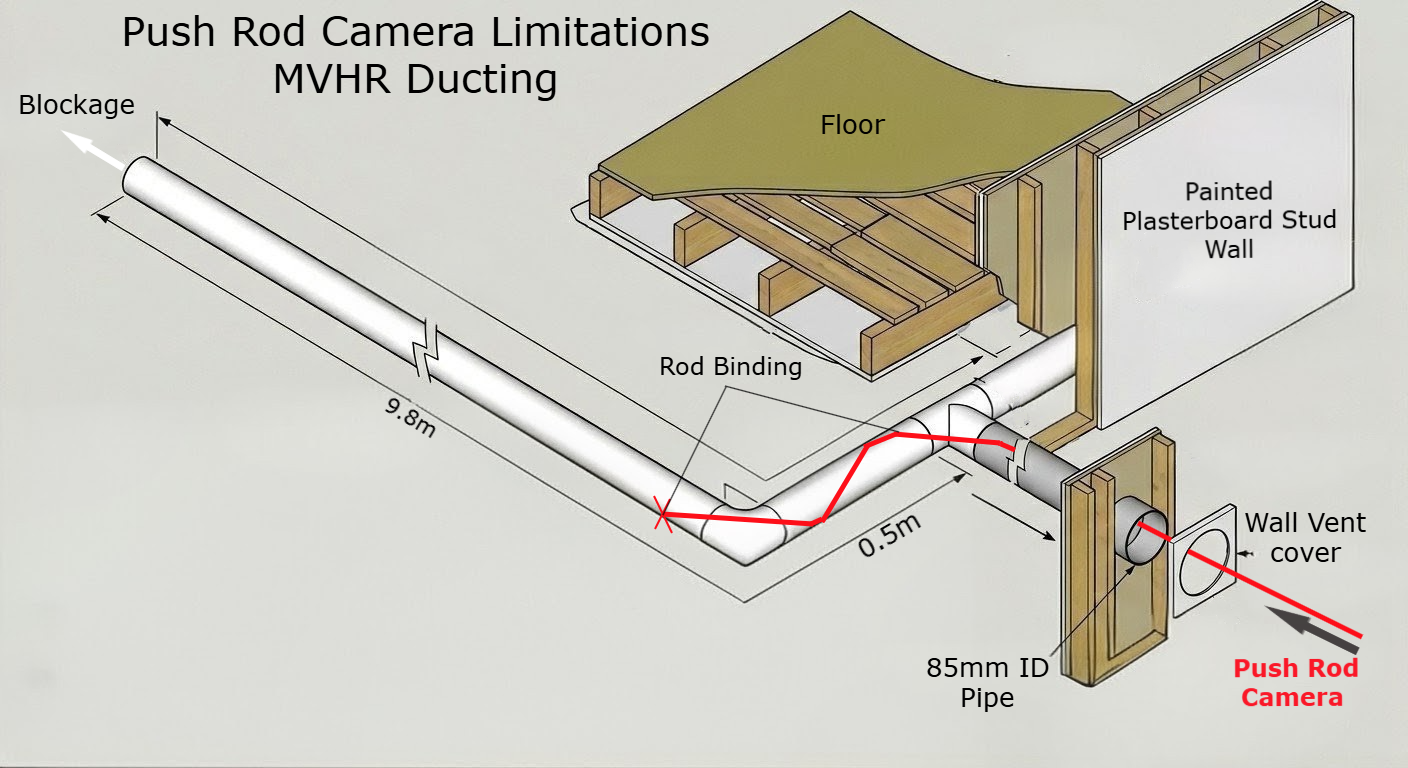
Push cameras are often choked by narrow, corrugated MVHR pipework, limiting their effective use in modern ventilation systems.
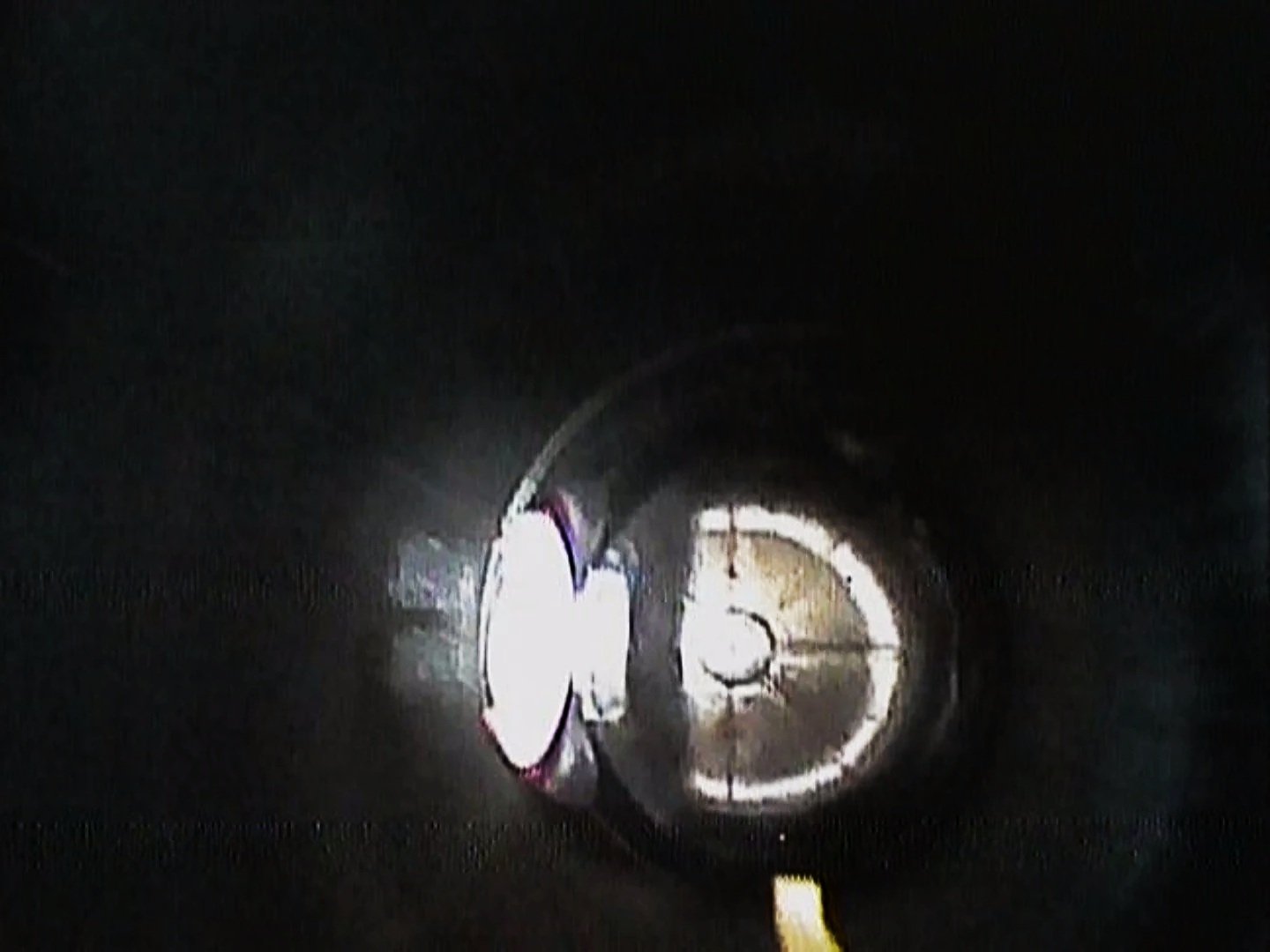
The first 90 degree section navigated in the Knebworth property.
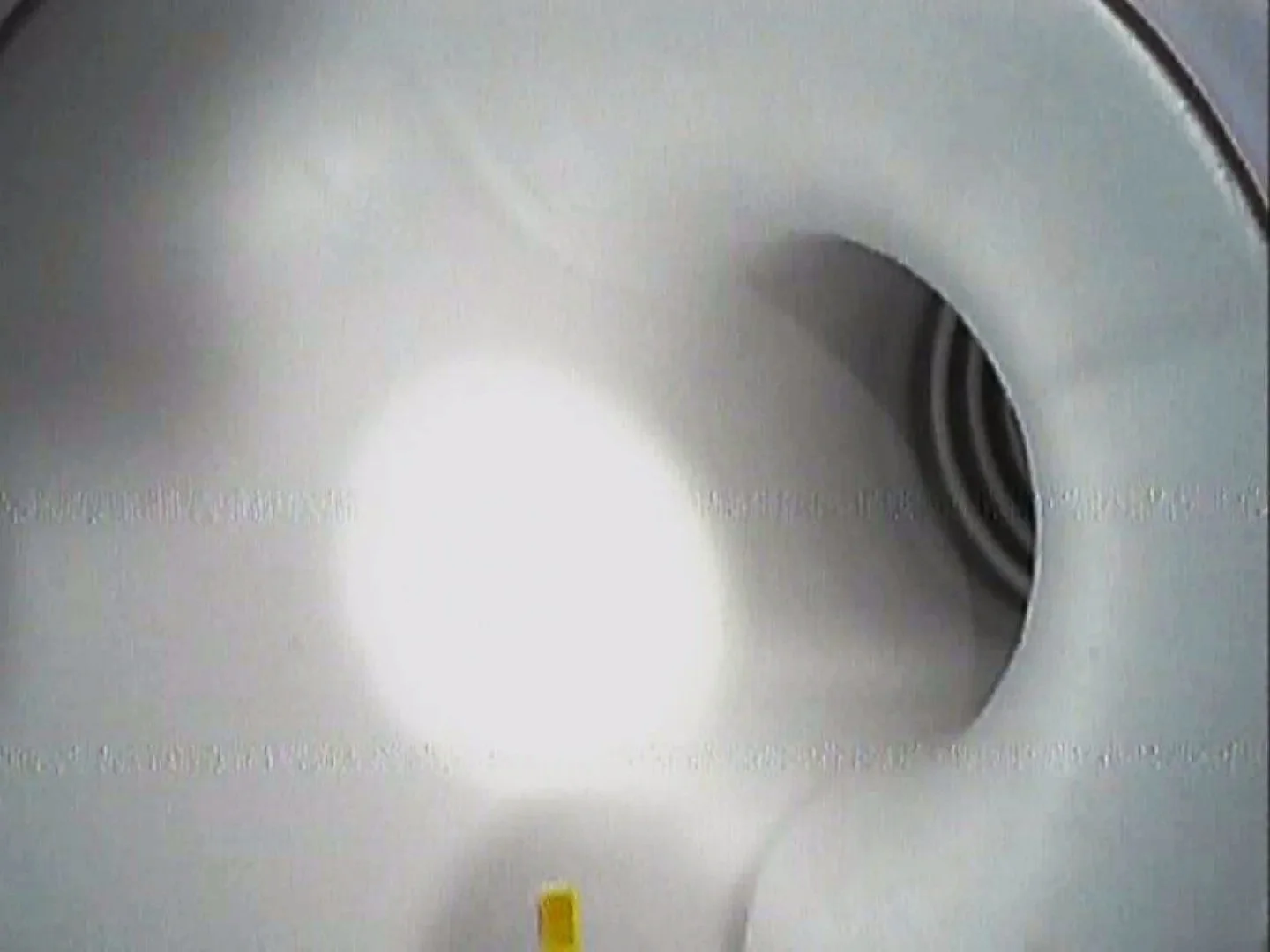
The second 90 degree fitting reduced the pipework down to 85mm inside diameter. This section was navigated with ease and the crawler was sent a further 10 meters down the duct.
Precision Engineering: The Micro-Crawler
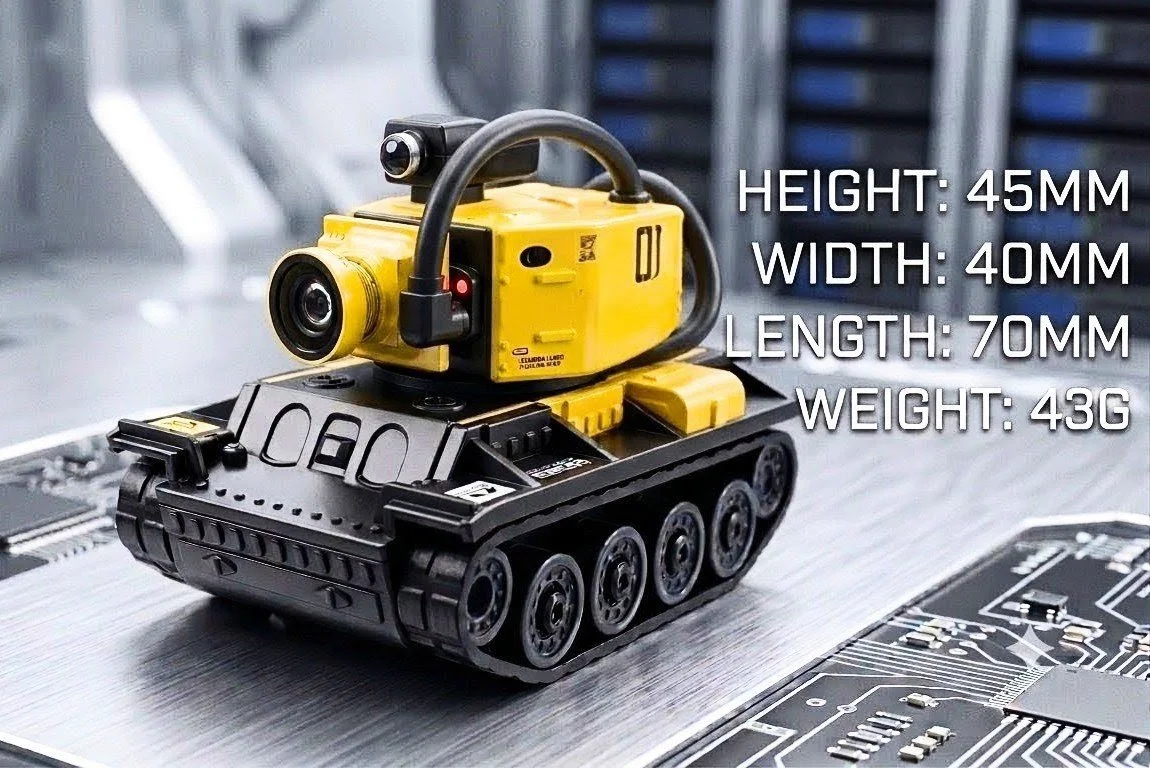
Rather than accepting the limitations of off-the-shelf equipment, we developed a solution: a bespoke micro-crawler designed specifically to navigate 85mm internal diameter ducting.
We built this platform to operate completely independently, featuring its own dedicated power supply for navigation and video transmission. Separately powered, high intensity diffused LED lighting and a 360 degree rotating camera turret further enhance the unit's diagnostic capabilities. This ensured that even in the darkest, most restrictive pipework, we had the clear, consistent visuals required to identify hidden obstructions.
Live video is streamed via 5.8Ghz to a high sensitivity diversity receiver monitor with DVR recording. The video monitor acts as a portable base station. It is lightweight, tripod mounted, and can be moved around to improve video quality when required.
To overcome the challenges of such deep, winding duct runs, we utilised a 6lb braided manual tether system to perform the triangulation process and to provide a means of emergency recovery if needed.
Dual-End Mapping: We performed three separate runs from both ends of the ducting. By cross-referencing the tether measurements, we were able to pinpoint the blockage with mathematical certainty.
Precision Targeting: This data allowed us to identify exactly which room held the obstruction and which specific section of the ceiling needed to be opened.
Empowering the Repair
By providing the homeowner with the exact measurements and visual confirmation of the problem via the live video feed, we empowered them to proceed with a single, localized repair, avoiding the need for extensive, exploratory damage.
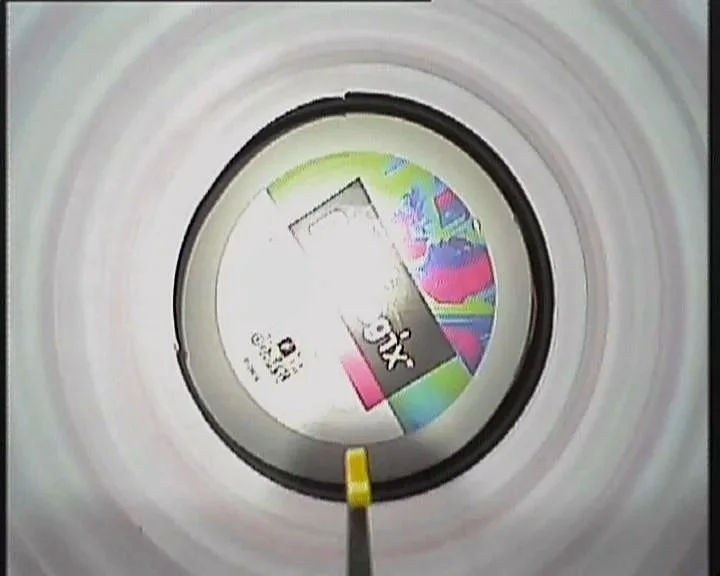
Imagery success: Debris plug left in ducting by the installer - front of plug accessed via plant room with ducting run of 18m to the blockage.
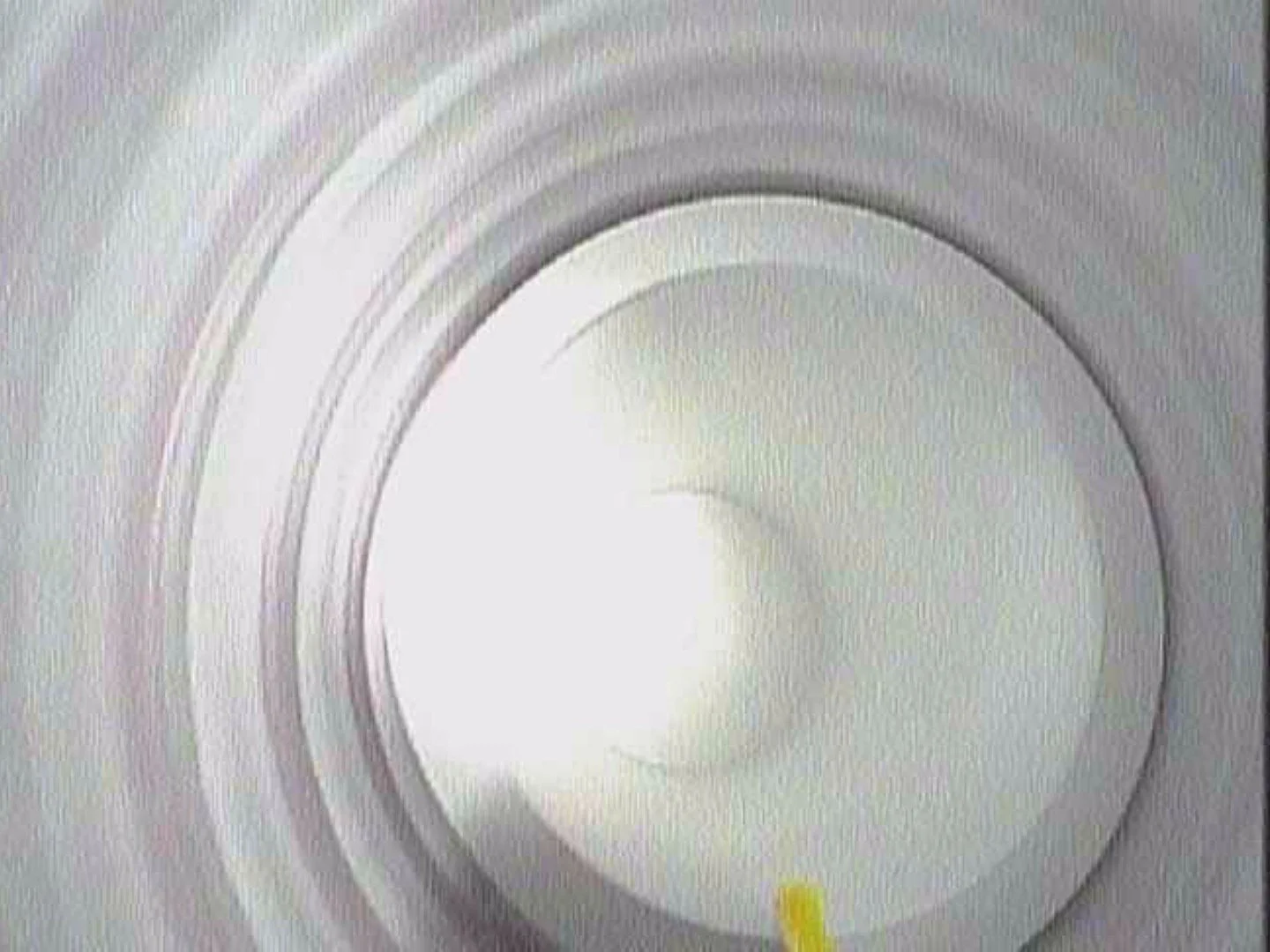
Back of the debris plug
The Result: Commissioning Complete
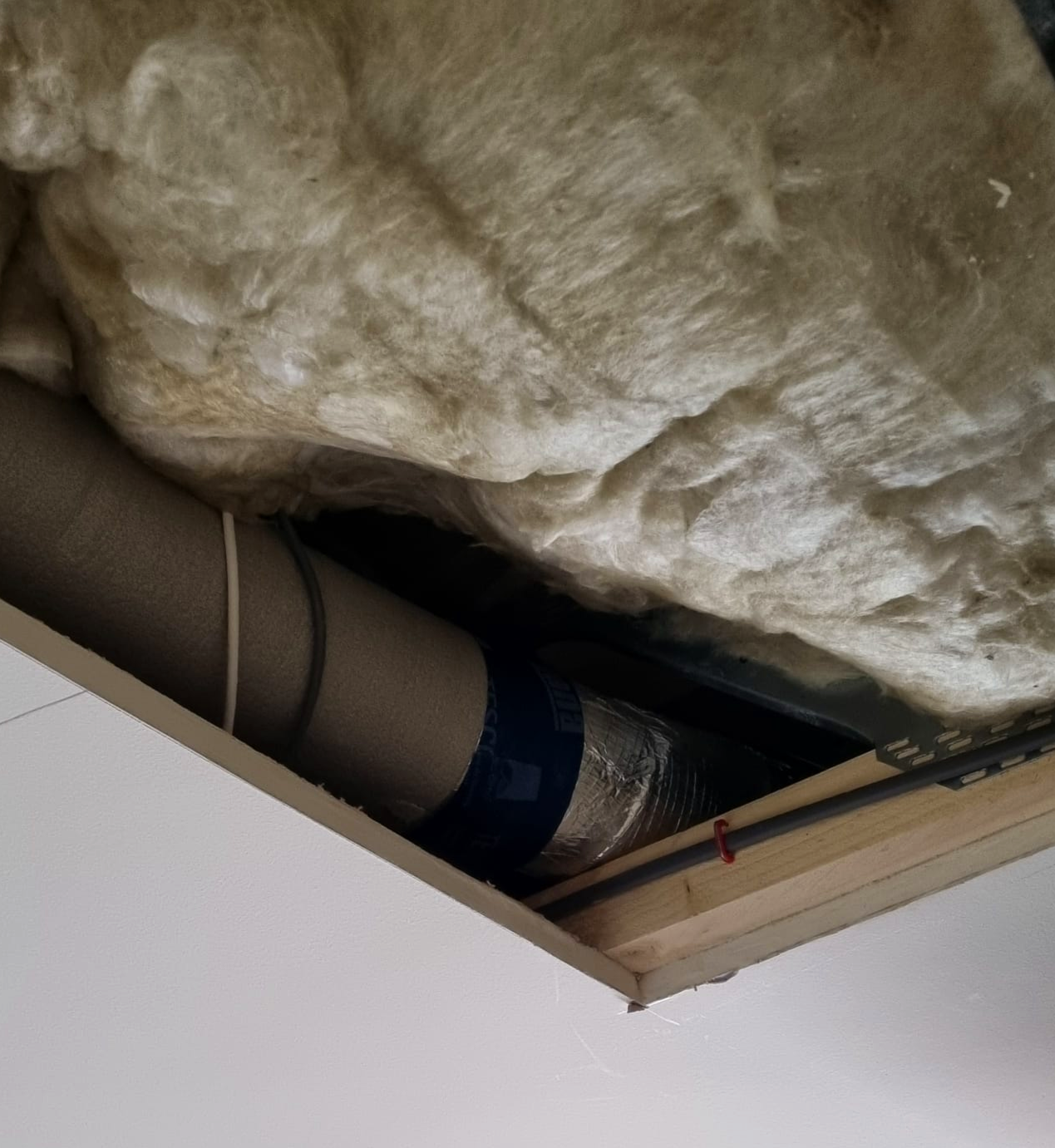
With the location pinpointed and triangulated, the property owner arranged repair with minimal damage / disturbance to the new property.
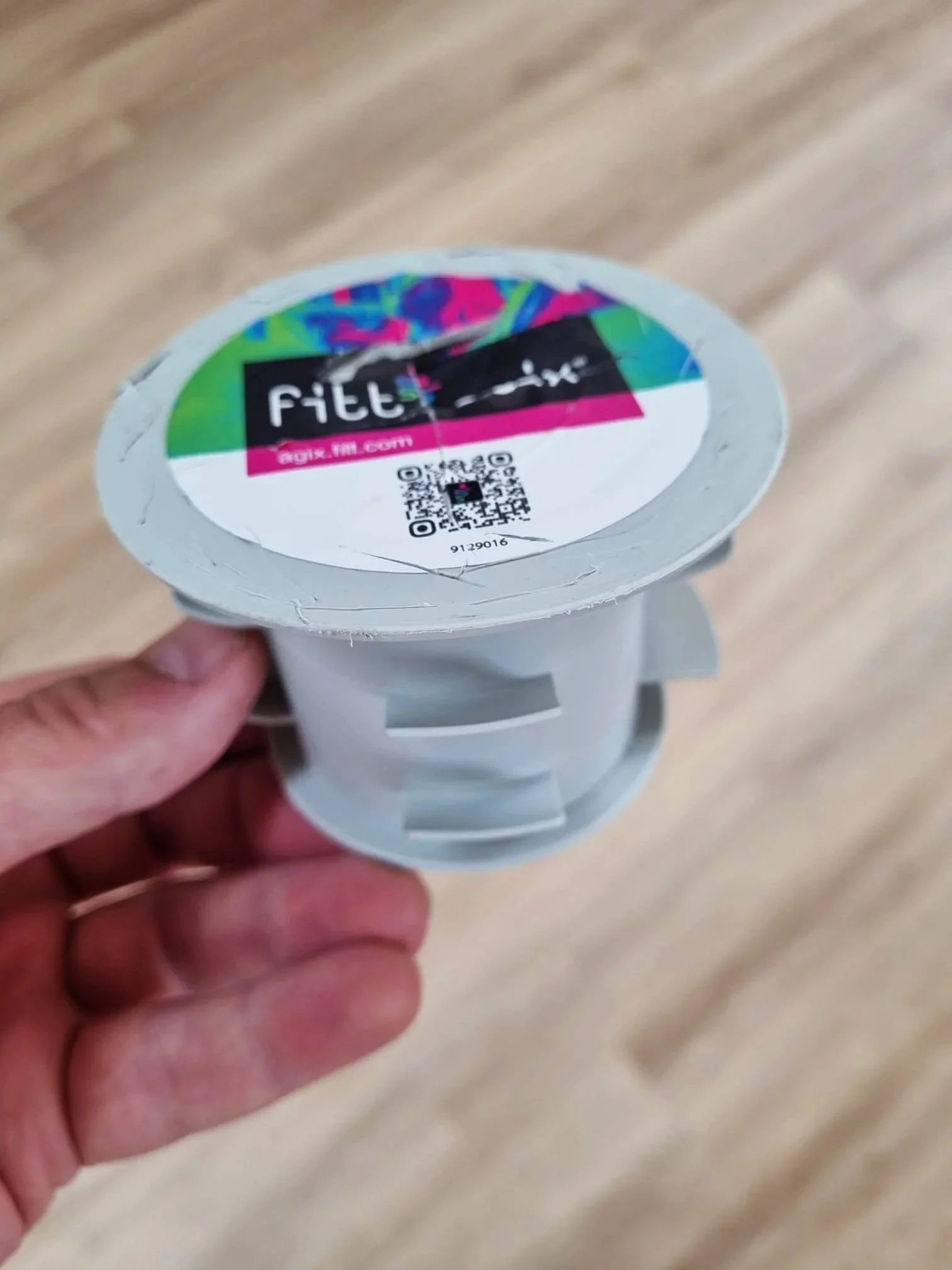
Debris plug removed from system
Once the obstruction—the debris plug seen here—was cleared, the final barrier to a functional system was removed. Armed with the proof and the location provided by our inspection, the commissioning process was finally able to proceed to completion.
Today, the MVHR system is running at 100% capacity. The airflow is balanced, the heating is effective, and the luxury homeowner has finally been able to retire the energy-intensive infrared panels.
Innovation Over Improvisation
This project is a perfect example of why modern, high-spec homes require specialized diagnostic approaches. When the industry standard falls short, the only way to deliver the right result is to innovate. By combining custom, independently powered hardware with a rigorous, data-driven triangulation method, we turned an "impossible" renovation disaster into a successful, fully commissioned home.
Watch the video here:
Are you facing complex MVHR or HVAC ducting issues that others can't solve?
Contact us to learn more about our specialised diagnostic services.
